Designing forhumanson theloop.
Product Design lead at Google, shaping Android System UI and Intelligence. I design the interfaces, behaviors, and feedback loops that make intelligent systems usable — models assist, people steer, and trust is earned through clarity, constraints, and thoughtful interaction.



Patents
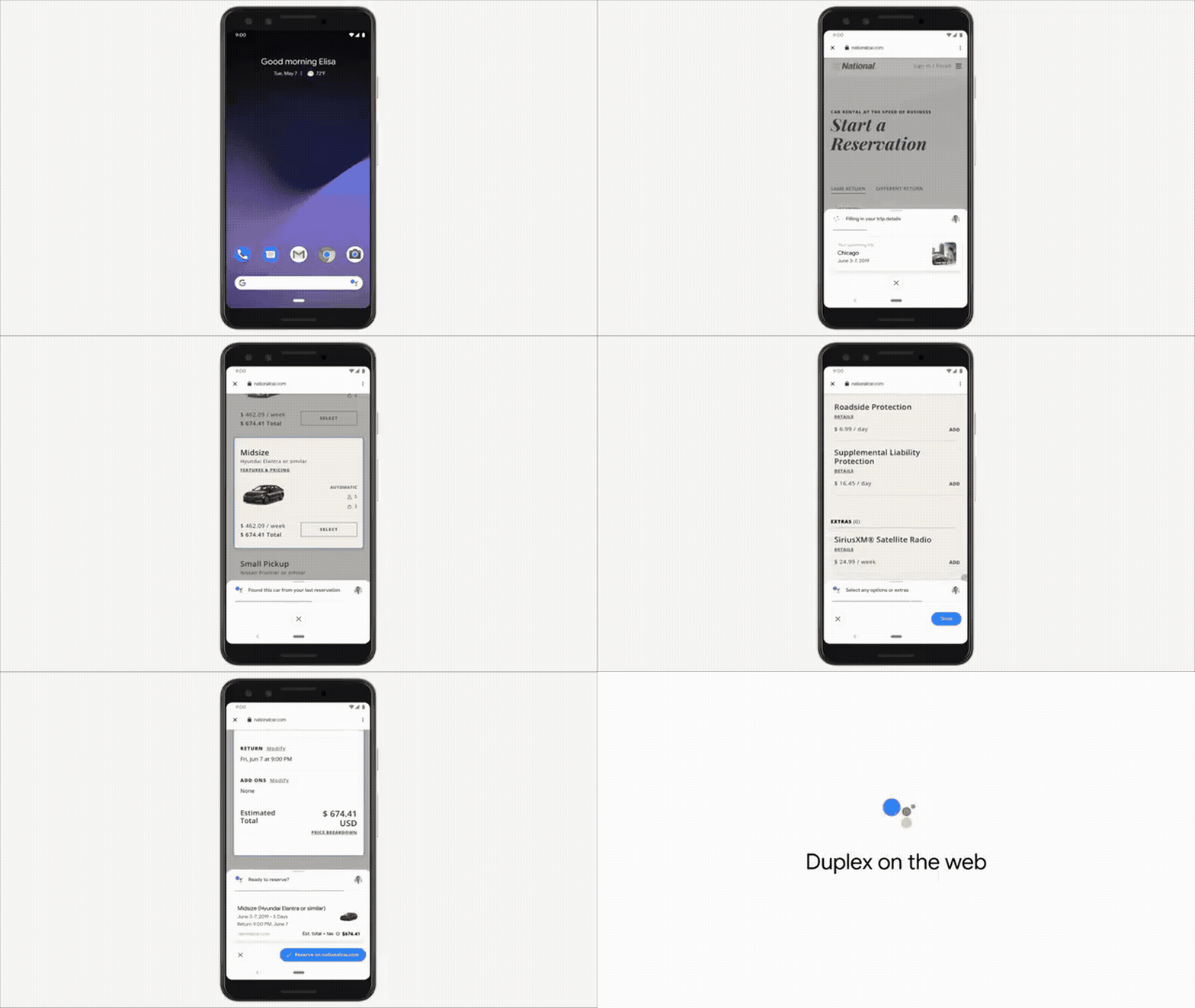
Analyzing Web Pages to Facilitate Automatic Navigation
Designed the interaction model for voice-commanded web browsing. Users speak intent, watch the AI navigate, and confirm actions—maintaining control while offloading tedious multi-step tasks.
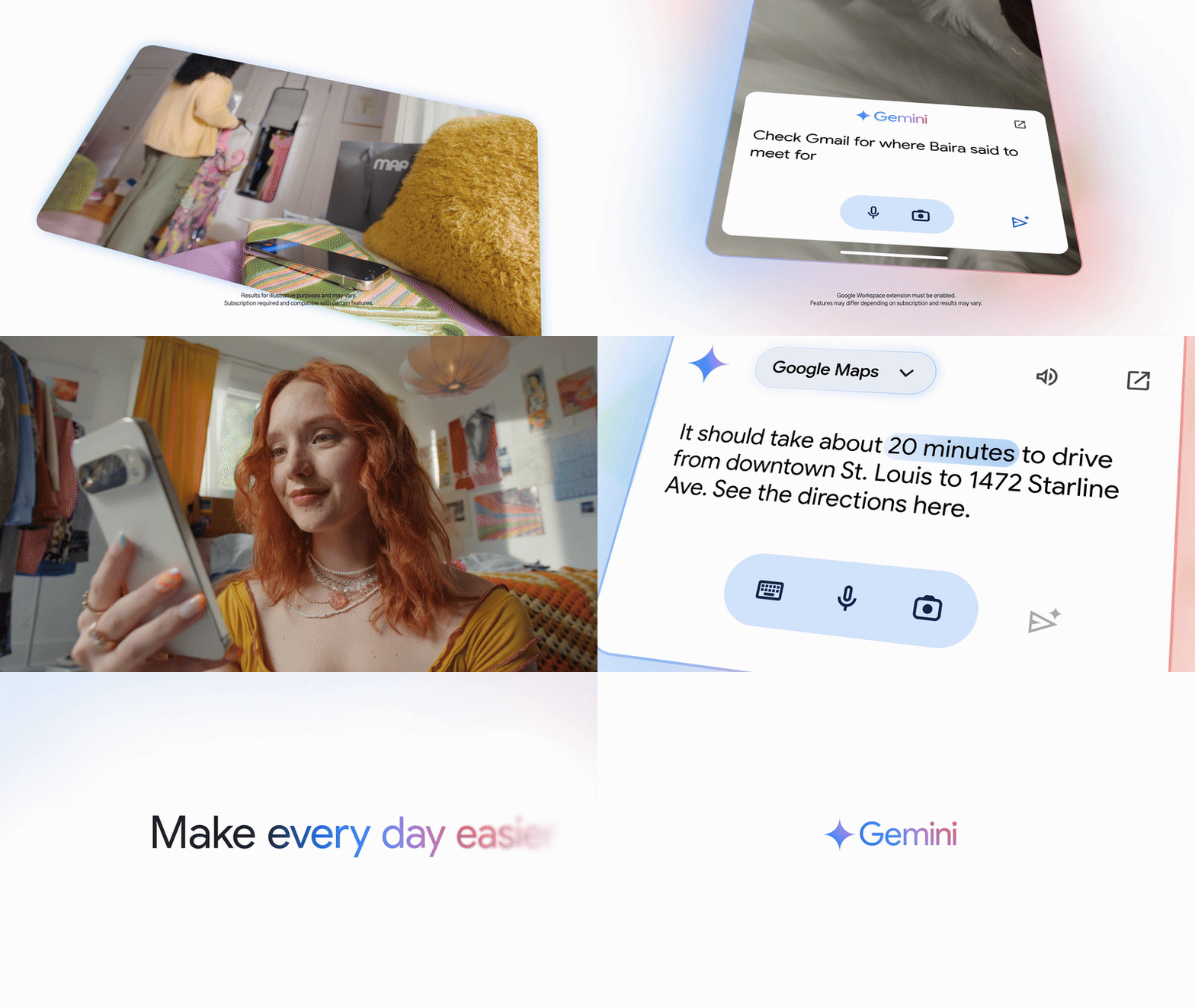
Contextual Triggering of Assistive Functions
Designed interaction model for screen context understanding. System analyzes on-screen content to surface relevant actions and suggestions without explicit user queries.
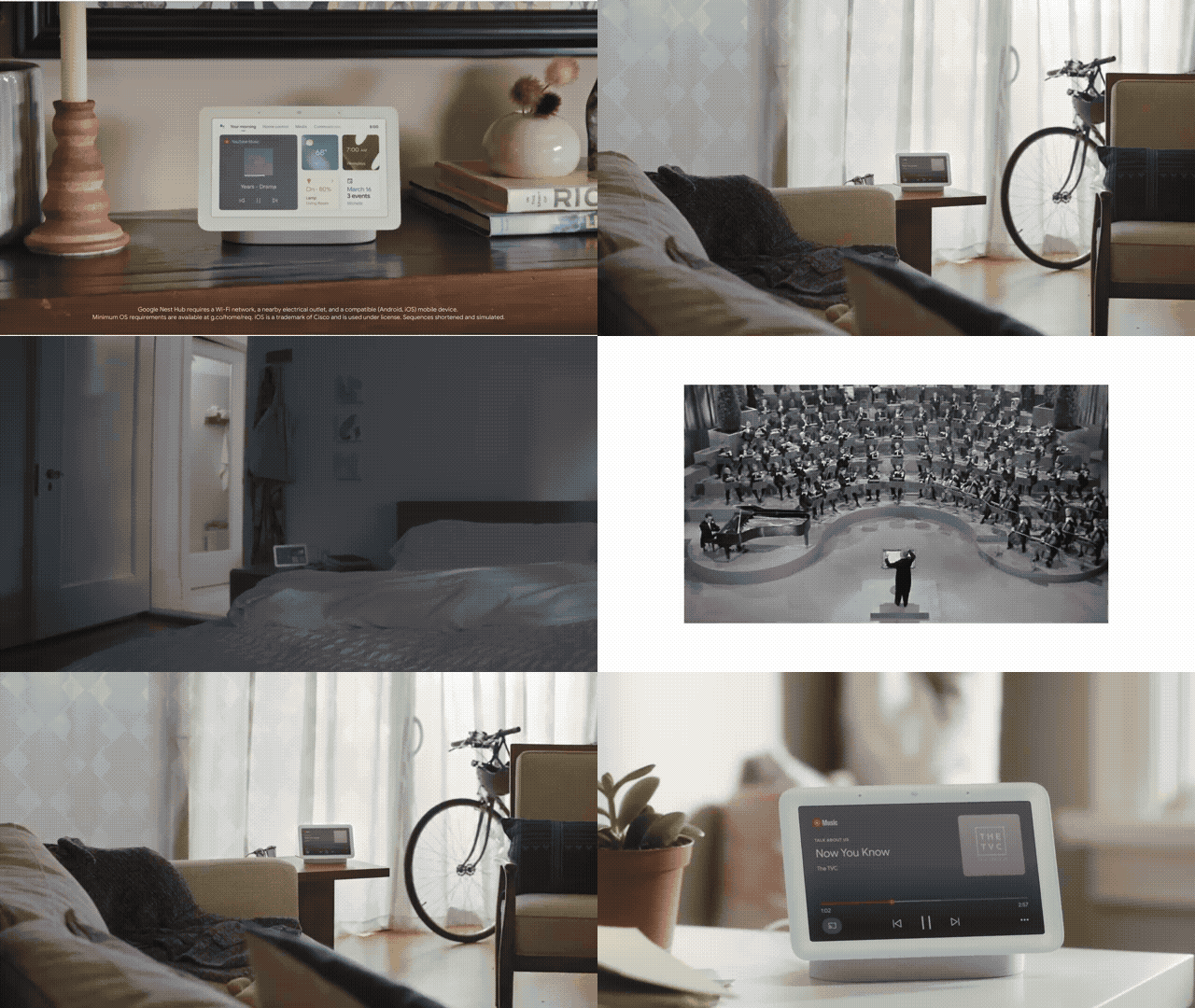
Display Screen with Graphical User Interface
Led interaction design for Google's first Assistant smart display. Created the glanceable information hierarchy and touch/voice interaction patterns for ambient home computing.
Ordering Data Items Pertaining to Contacts According to Relevance
Co-invented relevance scoring algorithm for predictive contact ordering. System learns individual communication patterns to surface the right contacts at the right time.
System and Method for Processing RSS Feeds
Designed unified reading experience across multiple content sources. Early work in presenting heterogeneous information streams as a coherent, scannable interface.